Vietnam

Visit Vietnam

Visit Vietnam
Live Fully, Discover Vietnam's
Cultural & Natural Wonders

Discover UNESCO heritage, vibrant cities, and breathtaking nature

Visit Vietnam by Region

NorthCenterSouthParacel IslandsSpratly Islands

Northern

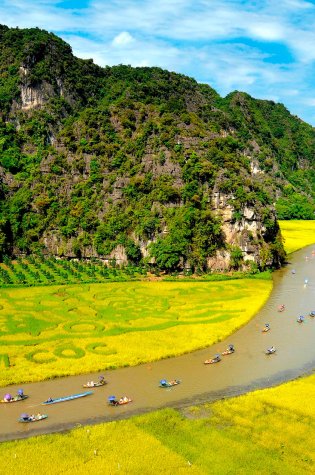
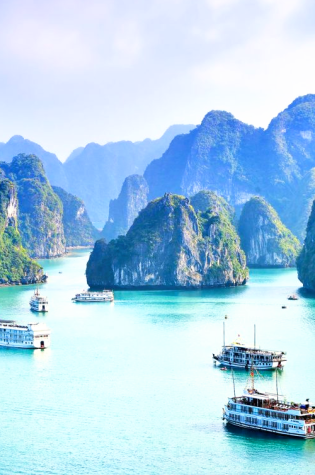
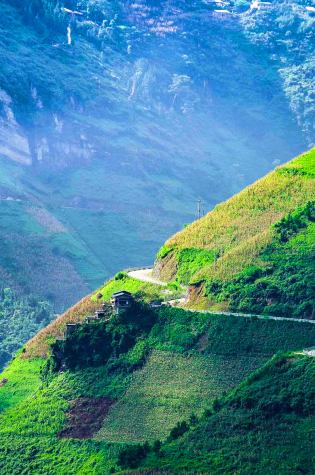
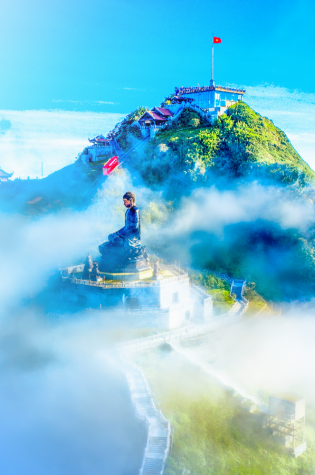
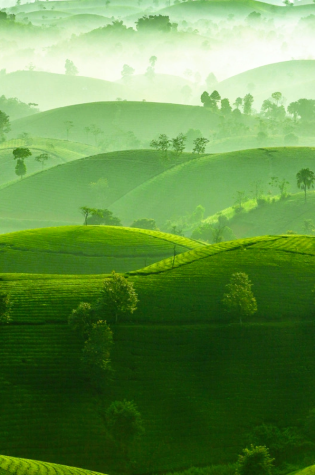
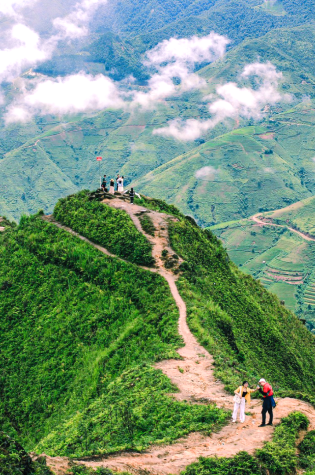
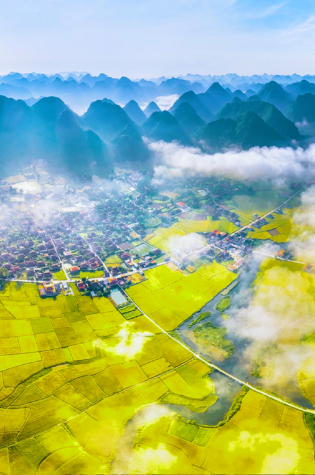
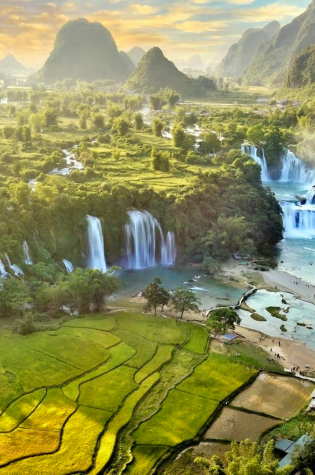
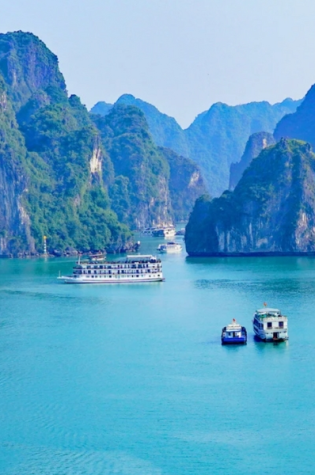
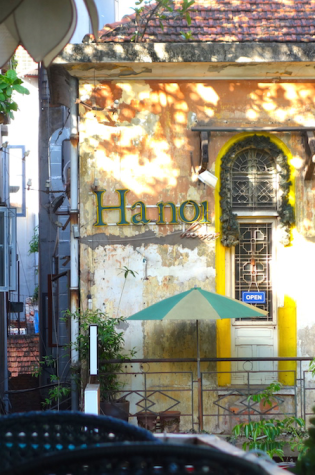
Northern Vietnam is the birthplace of the nation’s rich culture and thousand-year history. This region is home to the capital city Hanoi, known for its ancient architecture, traditional villages, and historical landmarks. Visitors can explore UNESCO-listed Ha Long Bay, the ancient capital Hoa Lu, or the breathtaking terraced rice fields of Sapa and Ha Giang. Each season brings a unique charm: cherry blossoms in spring, golden rice fields in autumn, and misty, poetic landscapes in winter.

Celebrate Vietnam's Vibrant Events & Festivals
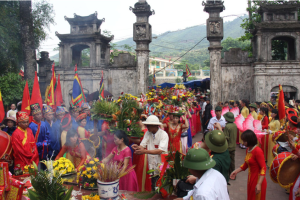
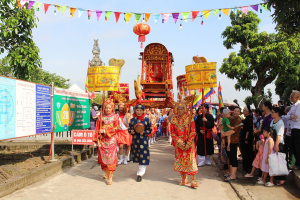
Dao Xa Elephant Procession Festival
7 Mar
to 9 Mar

Dao Xa Elephant Procession Festival

Phu Tho

The festival aims to preserve historical values, cultural activities, and the agricultural beliefs of wet-rice cultivation, as well as the worship of water deities by the inhabitants of the Ancestral Land. It's an occasion for local people to commemorate their ancestors who contributed to nation-building and village establishment, and to pray for blessings, good fortune, favorable weather, bountiful harvests, peace for the people, and prosperity for the nation.
Phu Ninh Buffalo Fighting Festival
21 Mar
to 22 Mar

Phu Ninh Buffalo Fighting Festival

Phu Tho

Phu Ninh Buffalo Fighting Festival has a long history, organized to commemorate King Hùng based on an ancient legend where King Hùng, while hunting through Phu Ninh commune (Phu Ninh district, Phu Tho province), killed two tigers that were fighting.
Hien Quan Ball-Throwing Festival
21 Feb
to 22 Feb

Hien Quan Ball-Throwing Festival

Phu Tho

The festival aims to commemorate and honor the contributions of female general Thiều Hoa Princess - Đức Thánh Mẫu Đại Vương, who assisted the Trưng Sisters in fighting invaders and saving the country. It is also an occasion for the people to recall the nation's tradition of nation-building and safeguarding, and to express the principle of 'drinking water, remembering the source' (gratitude).
Hung Kings' Temple Festival
16 Apr
to 19 Apr

Hung Kings' Temple Festival

Phu Tho

The Hùng Temple Festival is the largest among the traditional festivals of Phú Thọ as well as the festivals of the Vietnamese nation. During these days, people from all over the country flock to Nghĩa Lĩnh Mountain, Hy Cương Commune, Việt Trì City, to collectively honor the Hùng Kings. Additionally, it is an occasion for gathering, celebrating the prosperity of the Vietnamese lineage, and serving as a symbol of community spirit, reminding the Vietnamese people to unite in building an increasingly prosperous nation.
Tam Giang Temple Festival
16 Apr
to 18 Apr

Tam Giang Temple Festival

Phu Tho

The Tam Giang Temple Festival kicks off on the morning of the 8th day of the third lunar month with a traditional water procession at the river confluence. The leader of the male ritual team, along with representatives of the village elders, local leaders, and people from all walks of life, board a boat to perform the sacred water-fetching ritual. The collected water is then brought to the temple for the ceremony.
Tu Ha Festival
28 Feb
to 29 Feb

Tu Ha Festival

Bac Giang

The festival brought together most of the ethnic groups in the region. In addition to the worship ceremony for Vu Thanh, there was also a reenactment of a symbolic battle scene representing the victory led by Vu Thanh. Vu Thanh was a notable figure who contributed to the Tran Dynasty’s resistance against the Mongol–Yuan invaders in the 13th century. In the final decisive battle, Vu Thanh was seriously wounded and passed away in Ha Ho in 1288.
Tho Ha Communal House Festival
29 Feb
to 2 Mar

Tho Ha Communal House Festival

Bac Giang

Alongside the ceremonial rituals held at the communal house and Doan Minh Pagoda, the festival also features a palanquin procession and various traditional folk games for entertainment, such as boat racing, duck-catching by boat, and classical Tuồng opera and Quan họ folk singing performances in the evening. The Tho Ha Festival — a long-standing traditional folk festival — has become renowned for its grand scale, rich and unique content, and its lively, vibrant atmosphere. It will forever endure through time and remains a source of pride for the people of Kinh Bac.
Dành Temple Festival
28 Feb
to 29 Feb

Dành Temple Festival

Bac Giang

The festival begins with a ritual offering to the deities, praying for a year of favorable weather, bountiful harvests, good health for the people, warm and happy families, and peaceful, harmonious villages.A distinctive highlight of the ritual segment that always attracts a large number of participants is the solemn procession of the saints, which is held grandly from Vuong Communal House to Dành Temple and back.
Vong Communal House Festival
24 Feb
to 25 Feb

Vong Communal House Festival

Bac Giang

The Vong Communal House Festival is a long-standing traditional festival held annually on the 15th and 16th days of the first lunar month. During the festival, visitors can not only admire the grand and solemn procession, watch the horse sacrifice ceremony accompanied by a special ritual poem, but also participate in various sports competitions and lively traditional folk games such as wrestling, martial arts performances, horse racing, crossbow shooting, swinging, cockfighting, chess, phết ball game, kite flying contests, and calligraphy running contests.In addition, at the Cau Vong festival, there are theatrical performances and singing contests held between local troupes and visiting groups from other areas, making the festival even more vibrant and bustling.
Y Son Festival
24 Feb
to 26 Feb

Y Son Festival

Bac Giang

All the village divisions will carry palanquins, drums, gongs, flags, and banners, gathering at the temple — the place where the saint Hung Linh Công is worshipped. After the ceremony at the temple, everyone will proceed to the pagoda carrying two wooden divine horse statues (one white and one red), placed on wooden carriages with wheels. The procession of the divine horses marks the opening event of a very lively festival day. Visitors often join the procession in groups, following the palanquins stretching from the temple to the pagoda, passing through Yen Ngua Mountain.When the procession arrives at the pagoda, the divine horses are placed solemnly on stands, then the incense pots are brought down to the assembly hall, and banana stalks (called “do”) are brought into the pagoda to start the ceremony. The banana stalks are selected according to specific standards to hold the “do” sticks. These are bamboo poles of medium thickness, about two “giong” (a local length unit) long, sharpened at one end to form a flower shape (similar to the “do” sticks at Soc Son temple but not dyed red). Beside the flower-shaped “do” is a ripe rice ear with full grains. Each division prepares 10 such “do” sticks. Sixty “do” sticks (from 6 divisions) are inserted into the banana stalk and then carried into the pagoda, which is called the “do procession.” The flower-shaped “do” and rice ear symbolize the sincere prayers to Buddha for favorable weather, harmonious winds and rains, and fruitful crops.After the ritual, these “do” flowers are distributed to the village elders who are in their seventies, eighties, and nineties. Next comes the ceremony called “rolling the flag and stamping the ground.” All officials and young men from the divisions carry drums, gongs, flags, and banners, dressed in traditional costumes with scarves and neat pants, proceeding to a large prepared open field of nearly one acre, guided by an official in charge and following drum signals.The troops march in a semicircular formation, rolling into three circles, while beating drums and gongs loudly. After forming a long line, they fold to form the shape of the Chinese character “tâm” (meaning “heart” or “mind”) and stand in three rows with flags and drums evenly spread. Following the drumbeats and commands from the official, the troops perform dozens of coordinated movements such as standing at attention, sitting down, raising flags, lowering flags, turning left, turning right, all synchronized with the drumbeats.Following this is the “pulling characters” ceremony, or arranging characters. Here, the people often arrange the characters “tâm,” “nhân,” and “đức” — representing “heart,” “benevolence,” and “virtue” — in Chinese calligraphy.

Unforgettable Vietnam Experiences

Trending Itineraries
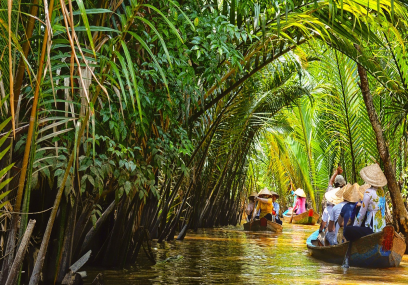
Mekong Delta - Vinh Trang Pagoda full-day tour

Mekong Delta - Vinh Trang Pagoda full-day tour

1 day

A romantic adventurous Vietnam journey in 10 days 9 nights

A romantic adventurous Vietnam journey in 10 days 9 nights

10 days 9 nights
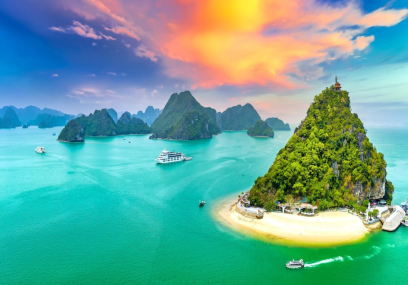
 5D4N_Hanoi_Halong on cruise exploration

5D4N_Hanoi_Halong on cruise exploration

5 days 4 nights
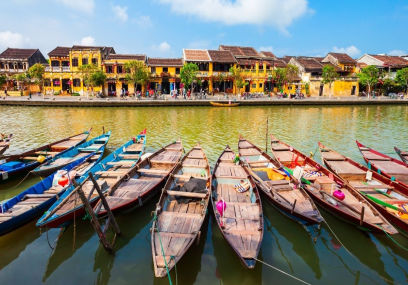
Unique Vietnam local 6 days 5 nights

Unique Vietnam local 6 days 5 nights

6 days 5 nights

[S.I.C] Yen Duc village overnight: 2 days 1 night

[S.I.C] Yen Duc village overnight: 2 days 1 night

2 days 1 night
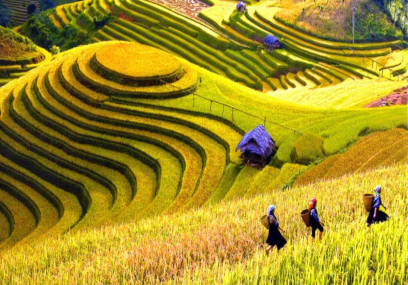
The perfect 3 days Sapa tour

The perfect 3 days Sapa tour

3 days 2 nights

Travel Offers
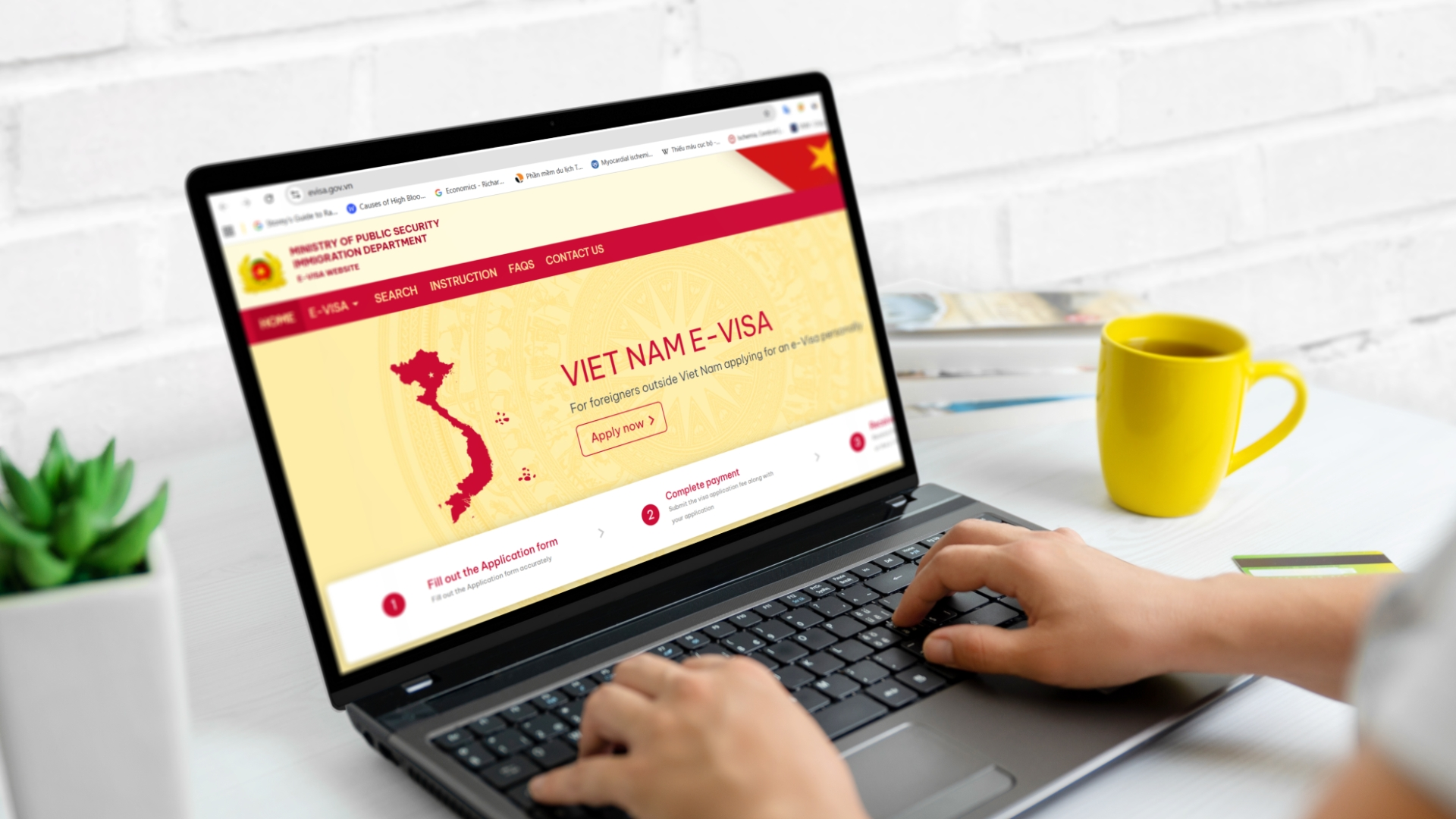
Visa guide

Visa guide

Plan ahead for a hassle-free travel experience

Find out more
Accommodation

Accommodation

From etiquette to currency, we answer all your questions

Find out more
Tour packages

Tour packages

Use our tool to book flight tickets to Vietnam and plan your trip to the city

Find out more
Stories from Vietnam Travelers